
The Hidden Architecture of Safety: Navigating Modern Hazardous Waste Disposal Tampa Strategies
01/14/2026by bestadminBez kategorii0
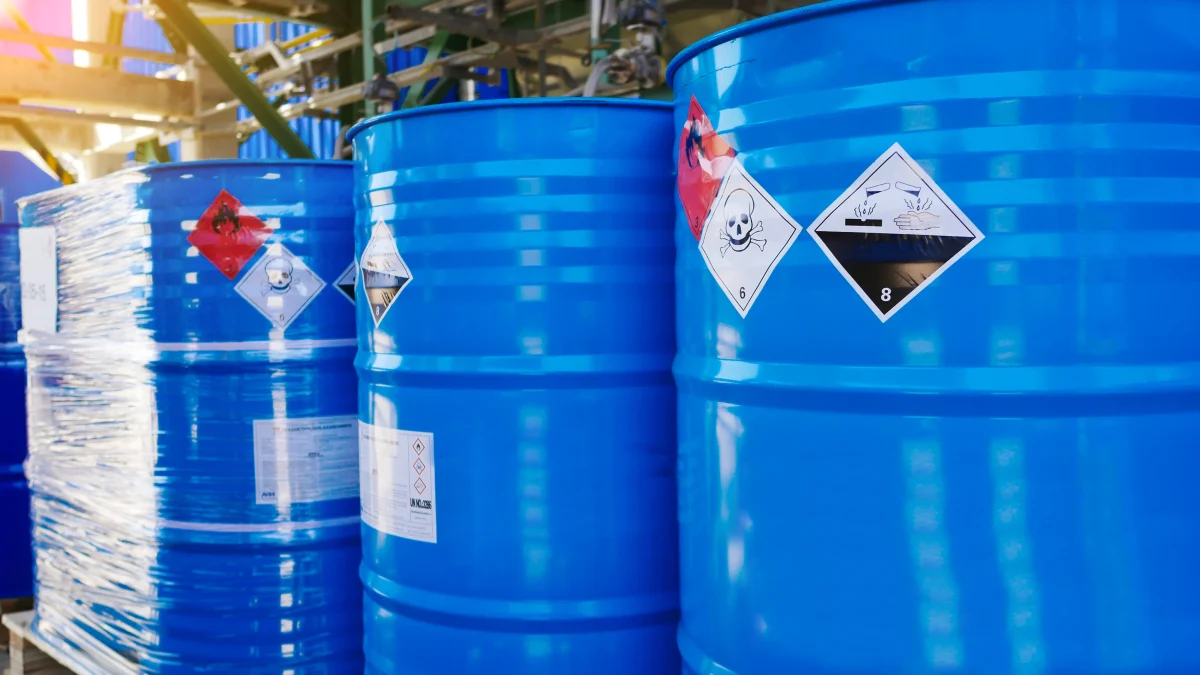
While many view waste management as a simple logistics problem, the reality of hazardous waste disposal is a sophisticated blend of chemistry, engineering, and environmental law. As industries evolve and synthetic materials become more complex, the protocols for hazardous waste disposal Bolingbrook, Illinois must become equally advanced to prevent catastrophic ecological failures.
Moving Beyond the Landfill: Advanced Treatment Technologies
In the past, hazardous waste disposal Tampa, Florida often meant simply isolating dangerous materials in the ground. Today, the focus has shifted toward destruction and transformation. Several cutting-edge technologies are currently redefining how we approach hazardous waste disposal:
-
Plasma Gasification: This process uses plasma torches to create temperatures exceeding 5,000 Celcius Degrees. It breaks down complex hazardous molecules into their elemental components, resulting in a glass-like slag and a usable synthetic gas.
-
Supercritical Water Oxidation (SCWO): By subjecting aqueous waste to high pressure and temperature, water reaches a „supercritical” state. In this state, organic pollutants are rapidly oxidized and destroyed within seconds, offering a clean alternative for hazardous waste disposal.
-
Bioremediation: Utilizing specialized microbes to „eat” or neutralize toxic spills. This biological approach to hazardous waste disposal is increasingly popular for cleaning up petroleum-contaminated soils and groundwater.
The Economic Impact of Proper Waste Management
Investing in high-level hazardous waste disposal Atlanta, Georgia isn’t just an environmental choice – it’s a financial one. Companies that fail to prioritize rigorous hazardous waste disposal protocols often face:
-
Strict Liability Costs: Under the principle of „polluter pays,” a generator can be held responsible for cleanup costs decades after the hazardous waste disposal took place.
-
Resource Recovery Gains: Modern hazardous waste disposal often includes „closed-loop” systems. For example, spent acids can be reclaimed and sold back to manufacturers, turning a disposal cost into a minor revenue stream.
-
Insurance Premiums: Proving a history of compliant hazardous waste disposal can significantly lower environmental impairment liability insurance rates.
Navigating the Global Regulatory Landscape
The world of hazardous waste disposal Joliet, Illinois is governed by a patchwork of international treaties and local mandates. Central to these is the Basel Convention, which controls the transboundary movement of dangerous materials.
For an organization to maintain compliance, hazardous waste disposal must be accompanied by a „chain of custody” that is transparent and verifiable. This involves:
-
Waste Stream Analysis: Regular laboratory testing to ensure waste hasn’t changed in composition.
-
Emergency Contingency Planning: Having a pre-vetted response team ready should a hazardous waste disposal transport vehicle experience a leak or accident.
-
Facility Auditing: Ensuring that the final destination for hazardous waste disposal is a TSDF (Treatment, Storage, and Disposal Facility) with a valid operating permit and clean safety record.
The Future: Zero-Waste Initiatives
The ultimate goal of modern industrial design is to eliminate the need for hazardous waste disposal Springfield, Illinois entirely. Through „green chemistry,” engineers are substituting toxic precursors with biodegradable alternatives. Until that transition is complete, however, the heavy lifting of protecting our biosphere falls on the shoulders of professional hazardous waste disposal services.
By treating hazardous waste disposal as a specialized science rather than a janitorial task, we ensure that the progress of today does not become the environmental nightmare of tomorrow.
